BEYOND THE EXPECTED
KYRGYZSTAN
A Different Side of Central Asia
There are still places in the world where nature defines the rhythm of life, where mountain roads disappear into vast open landscapes, and where travel feels shaped more by atmosphere than itinerary. Kyrgyzstan is one of those places.
Located in the heart of Central Asia, Kyrgyzstan remains one of the region’s least explored destinations internationally — a country known for its dramatic mountain scenery, nomadic heritage, and strong connection to the natural world. For travelers seeking something beyond conventional tourism, it offers a rare combination of authenticity, remoteness, and cultural depth.
Unlike destinations built around crowds and landmarks, Kyrgyzstan reveals itself slowly — through silence, movement, and the feeling of space. It is a place where landscapes remain largely untouched and where the experience of travel is still deeply connected to nature and human interaction.
For many visitors, Kyrgyzstan feels less like a destination to simply visit and more like a world to step into.
Mountains, Nomadic Culture & Untouched Landscapes in the Heart of Central Asia
Landscapes Defined by Mountains & Open Space
More than ninety percent of Kyrgyzstan is covered by mountains, with the Tian Shan range shaping nearly every horizon. The country’s landscapes stretch from high-altitude lakes and remote valleys to alpine roads, canyons, forests, and endless summer pastures known as jailoos.
Among its most remarkable natural settings are Son-Kul, surrounded by open grasslands and seasonal yurt camps, Kel-Suu with its isolated and dramatic scenery, and Issyk-Kul — one of the world’s largest high-altitude lakes. Yet Kyrgyzstan’s true uniqueness lies not only in individual locations, but in the sense of openness they create.
Traveling through the country often means hours of uninterrupted mountain scenery, minimal infrastructure, and landscapes that still feel emotionally untouched. This sense of remoteness has become increasingly rare in modern travel and is one of the reasons Kyrgyzstan is gaining growing attention among travelers seeking more meaningful and immersive experiences.
Nomadic Culture & the Rhythm of Travel
Kyrgyzstan’s identity remains deeply connected to its nomadic heritage. Each summer, families continue to move to mountain jailoos with livestock, living in yurts surrounded by open landscapes. Horses remain central to culture and daily life, while hospitality continues to hold deep importance across the country.
For travelers, this creates experiences that feel personal rather than performative. Encounters often happen naturally — around shared meals, inside yurts, or during long journeys through mountain regions. The atmosphere is defined less by schedules and more by rhythm: moving slowly, adapting to nature, and experiencing a stronger connection to place.
This balance between tradition, landscape, and simplicity gives Kyrgyzstan its distinctive character. Increasingly, travelers are drawn not only by the scenery itself, but by the feeling of freedom and stillness the country offers.
At the same time, Kyrgyzstan is gradually evolving within the luxury travel landscape of Central Asia. Carefully designed private journeys, refined nomadic experiences, and access to remote regions are creating a new interpretation of travel in the region — one rooted in authenticity rather than excess.


Best Time to Visit Kyrgyzstan
The best time to visit Kyrgyzstan depends on the type of experience travelers are looking for, though the main travel season typically runs from June to September.
Summer is considered the ideal period for exploring mountain landscapes, high-altitude lakes, and nomadic regions. During these months, remote roads become accessible, jailoos turn green, and seasonal yurt camps appear across the mountains. Horseback journeys, hiking, and immersive nature experiences are at their best during this time.
Autumn brings quieter landscapes, golden valleys, and a slower atmosphere that is particularly appealing for photography and more contemplative travel. Winter reveals a different side of the country altogether, with snow-covered mountains and a growing ski culture near Bishkek and surrounding regions. Spring, meanwhile, transforms lower valleys into blooming green landscapes while mountain conditions remain more unpredictable.
As interest in Central Asia continues to grow internationally, Kyrgyzstan stands out for its combination of untouched nature, nomadic culture, and emotional openness. For travelers seeking mountain landscapes, cultural immersion, and experiences beyond conventional tourism, it offers a different rhythm of travel — one shaped by silence, scale, and genuine connection.
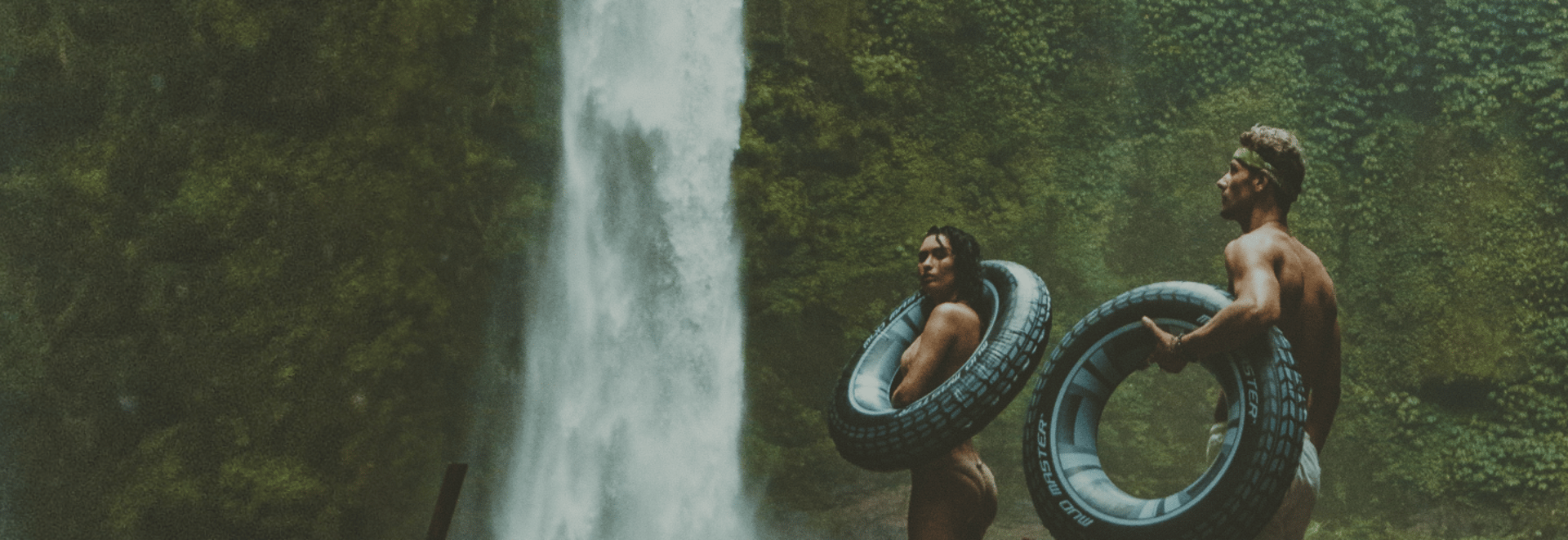
BEST BALI RESORTS AND WHY
There is a lot of different resorts to stay at in Bali. I made a list which includes a resort for every taste.